

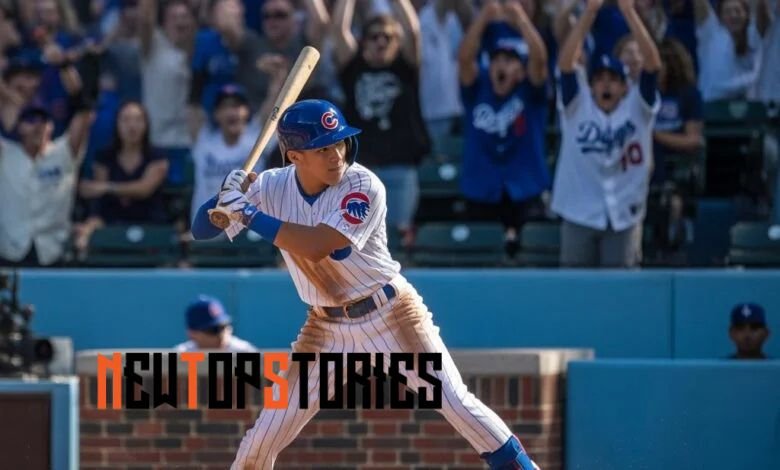
The long-running rivalry between the Los Angeles Dodgers and the Chicago Cubs has produced countless memorable nights, but every now and then a game stands out not just for the score, but for the stories hidden within the numbers. The latest contest between these two historic franchises once again gave fans more than they expected, with high-energy moments, emotional shifts, and individual performances that shaped the night. The dodgers vs chicago cubs match player stats from this matchup tell a compelling story of how both teams battled through pressure, momentum swings, and key decisions that defined the final outcome.
While the scoreboard captures the surface-level drama, the deeper value lies in what the players accomplished throughout nine innings—and in some cases, beyond regulation play. This breakdown takes a close look at the performances that mattered most and the subtle details behind the numbers.
A Night Where Every Inning Carried Weight
Some games unfold steadily; others pulse with tension from the first pitch. This matchup belonged to the latter. The energy inside the stadium reflected two teams aware of how small cracks can decide big moments. Every at-bat seemed to carry weight, and every pitching choice felt strategic rather than routine.
From the opening frame, both teams made it clear they wouldn’t be backing down. Early hits created immediate pressure, and both lineups showed an aggressive approach at the plate. Even before the first run crossed, it was evident that this would be a game defined by execution, mental sharpness, and small details tucked within the dodgers vs chicago cubs match player stats.
Momentum moved frequently from one dugout to the other. A sharp defensive play would halt a promising rally, only for the opposing side to respond with a clutch hit in the next inning. This tug-of-war established the tone for a game in which statistics weren’t just numbers—they were reflections of resilience and adaptability.
Dodgers Players Who Set the Tone
H3: Dodgers Hitters Delivering Impact at Key Moments
The Dodgers entered the game leaning on a lineup known for balanced power, patience, and situational hitting. What stood out most was the timing of their offensive contributions. Rather than relying solely on home runs or single standout performances, the Dodgers produced a steady stream of meaningful at-bats.
Several hitters showed impressive plate discipline, extending counts, drawing walks, and forcing pitchers into uncomfortable zones. These moments may not appear dramatic on the surface, but when viewed within the dodgers vs chicago cubs match player stats, they emerge as influential components of the Dodgers’ offensive strategy.
Hard-hit balls into the gaps kept pressure on Chicago’s outfield, and several innings began with quality leadoff at-bats that put runners on early. Even in the innings where runs didn’t follow, the Dodgers showed intent and rhythm—a sign of a disciplined lineup finding ways to stay threatening.


H3: Pitching That Mixed Power and Precision
On the mound, the Dodgers showcased a blend of velocity, movement, and control. The starting pitcher worked through early jams with confidence, using high fastballs and late-breaking off-speed pitches to disrupt timing. While the Cubs lineup made consistent contact, many of the swings resulted in groundouts or flyouts rather than extra-base hits.
What truly stood out was the bullpen work. Relief pitchers stepped into pressure-filled innings and delivered crucial outs that helped stabilize the game’s momentum. Strikeouts in late innings, especially against the heart of the Cubs’ lineup, highlighted how important mound presence becomes when the game tightens.
The pitching stats—strikeouts, walks avoided, first-pitch strikes—painted a picture of a staff that approached the Cubs with intelligence rather than overaggression. It was a measured performance, shaped by experience and situational awareness.
Cubs Players Who Rose to the Moment
H3: A Lineup That Refused to Fade
The Cubs, like the Dodgers, brought an offense capable of rapid fire. Their approach, however, relied more on bursts of momentum and clutch hitting than slow-burn pressure. When the Cubs found their rhythm, especially with runners on base, their swings gained purpose and intensity.
Middle-of-the-order hitters produced key moments that electrified the stadium, sending sharp line drives and well-timed hits into play. Even when trailing, the Cubs carried an attitude that they were always one big swing away from changing the tone of the game. This mentality showed clearly in their situational hitting numbers.
What separates good teams from dangerous ones is the ability to generate runs when opportunities seem slim. On this night, several Cubs players embodied that spirit, turning tough pitches into productive at-bats and forcing Dodgers pitchers to work deeper into counts.
H3: Cubs Pitching Showed Fight Despite Pressure
The Cubs’ pitching staff faced a challenging lineup, yet they delivered moments that showcased grit and composure. Their starter navigated high-traffic innings by leaning on breaking pitches and induced weak contact when needed. Even during innings where the Dodgers seemed poised for a rally, the Cubs’ pitchers found ways to escape with minimal damage.
Relievers played a particularly important role. Several late-inning pitchers entered with little margin for error and still managed to suppress the Dodgers’ momentum. Well-executed pitches on the edges of the zone and ground-ball outs demonstrated how the Cubs’ staff adapted as the game progressed.
Though their pitching stats reflected a tough night overall, the resilience displayed under pressure was one of the lasting impressions of this matchup.
Comparing the Player Stats: Where the Game Tilted
When evaluating the dodgers vs chicago cubs match player stats, certain statistical patterns reveal how the result took shape:
- The Dodgers excelled in leadoff efficiency, frequently beginning innings with a baserunner.
- The Cubs stood out in clutch hitting, especially with two outs.
- Dodgers pitching generated more swing-and-miss moments, which helped limit big innings.
- Cubs hitters compiled higher exit velocities during their strongest frames, showing the ability to generate immediate momentum.
- Defensive plays—though not always captured deeply in a box score—quietly influenced run prevention on both sides.
These numbers reflect contrasting strengths. The Dodgers performed steadily, accumulating competitive stats inning after inning. The Cubs, meanwhile, thrived on high-impact moments that changed the emotional tone of the night.
When two teams approach the game differently, these statistical distinctions become the threads that weave together the final outcome.

Hidden Layers in the Numbers
Beneath the standard batting averages and pitching lines, deeper analytics offer a richer interpretation of the match.
One of the most revealing insights lies in runners in scoring position performance. The Dodgers created more chances, but the Cubs capitalized harder on the limited opportunities they had. This difference highlights the fine line between scoring potential and scoring execution.
Another interesting layer involves late-inning discipline. Dodgers hitters worked deeper counts as the game progressed, showing awareness of how fatigue affects pitchers. Meanwhile, the Cubs’ hitters became more aggressive later in the game, swinging earlier in counts and producing surprising results.
Defensively, both teams delivered quiet but critical plays—from sliding catches to quick throws across the diamond—that prevented potential momentum swings. These moments rarely dominate post-game discussions, yet they form part of the backbone of the dodgers vs chicago cubs match player stats story.
What These Stats Say About Both Teams Moving Forward
The Dodgers emerge from this matchup with reinforced confidence in their balance. Their ability to generate steady offensive pressure and pair it with strong pitching depth signals a team that understands how to manage long, contested games. Their stats reflect a group that leans on discipline and teamwork rather than relying solely on individual heroics.
For the Cubs, the numbers tell a story of resilience and unpredictability. Their passing bursts of offense, willingness to swing aggressively, and ability to find clutch moments make them a dangerous opponent for any pitching staff. Their pitching stats, while challenged, also demonstrate adaptability that will serve them well in upcoming contests.
Both teams leave the game with lessons to apply, strengths to celebrate, and areas that require sharpened focus.
A Final Look at What Truly Stood Out
When all the numbers are laid out, one thing becomes clear: the dodgers vs chicago cubs match player stats reveal far more than who won or lost. They showcase the emotional depth of the game—moments of confidence, hesitation, strategy, momentum, and raw talent.
Each inning became a chapter. Each player left a mark. Each stat added a piece to the night’s unfolding story.
And in the end, it wasn’t just about hits or strikeouts—it was about how the players carried themselves when the game demanded more. That is what made this matchup memorable, and why fans will be talking about it long after the final pitch.
FAQs
1. What were the standout moments from the Dodgers vs Cubs match?
The standout moments came from timely hits, late-inning pressure, and strong pitching sequences that shifted momentum. Both teams had stretches where individual players stepped up and shaped the flow of the game.
Which players had the biggest impact on the outcome?
Key hitters on both sides delivered important at-bats, while several pitchers controlled crucial innings. The players who impacted the game most were those who responded well in high-pressure situations.
How did pitching influence the Dodgers vs Chicago Cubs match player stats?
Pitching played a major role, especially in the middle and late innings. Strikeouts, pitch placement, and the ability to handle traffic on the bases significantly influenced how the final stats unfolded.
What do the player stats reveal about each team’s performance style?
The Dodgers showed steady, disciplined offense, while the Cubs relied more on big swings and clutch moments. The stats highlight two contrasting strategies that kept the game competitive.
Why do these match player stats matter for future games?
They offer insight into current form, player confidence, and areas that may need improvement. Teams often study these details to adjust strategies and strengthen their approach in upcoming matchups.
You May Also read
A Helicopter Crashed Here’s What Experts Say About How It Could Happen