

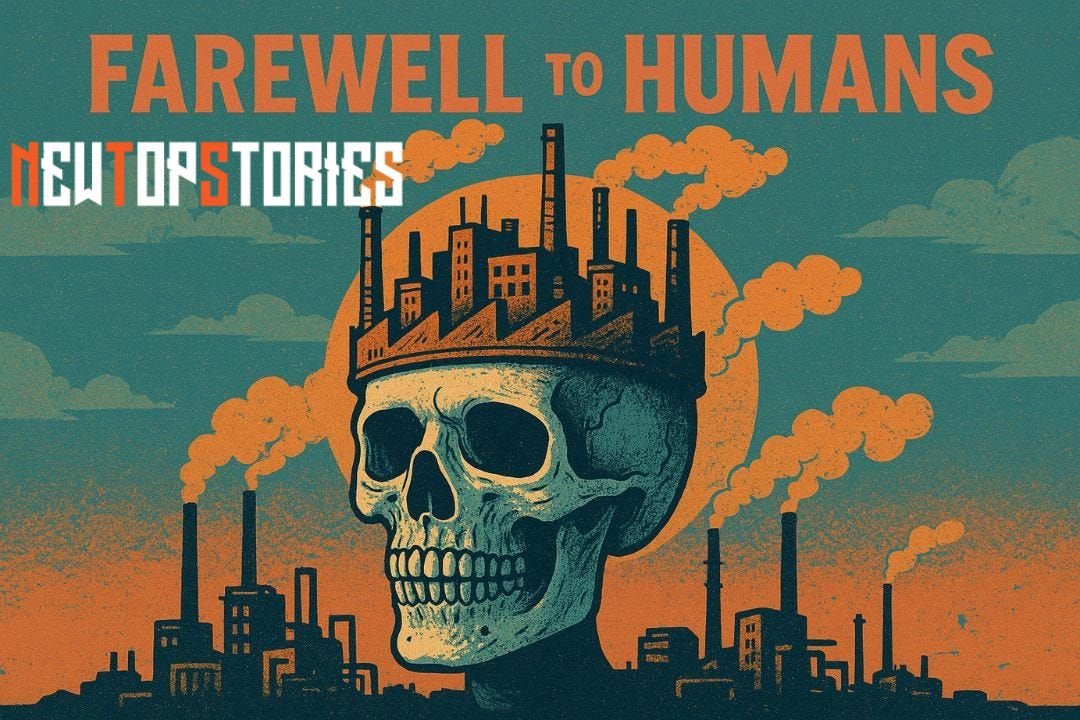
The phrase farewell to life on earth carries a quiet weight. It does not shout catastrophe, nor does it demand panic. Instead, it invites reflection. It asks us to pause and consider who we are, how we arrived here, and what traces our time on this planet may leave behind. This is not a declaration of an ending, but a lens through which humanity can examine its impact, its values, and its responsibility to the future.
- Why the Idea of a Farewell Resonates Today
- Humanity’s Place in Earth’s Long Story
- Progress and the Cost of Advancement
- Environmental Footprints That Cannot Be Ignored
- Culture as Humanity’s Enduring Voice
- Moral Choices and Collective Responsibility
- Memory and the Stories We Preserve
- Science, Space, and the Question of Continuation
- Lessons Written Through Success and Failure
- Redefining Farewell as Reflection
- What Legacy Truly Means
- Conclusion: A Story Still Being Written
- Frequently Asked Questions
- You may also read
This article explores humanity’s legacy with care and depth, looking beyond fear toward understanding, learning, and meaning.
Why the Idea of a Farewell Resonates Today
Across the world, people sense that they are living in a moment of consequence. Climate instability, rapid technological change, environmental stress, and global uncertainty have reshaped how humanity thinks about time and permanence. The idea of a farewell to life on earth has entered conversations not because the end is imminent, but because awareness has grown.
This awareness reflects maturity. When a species begins to reflect on its footprint, it signals a shift from survival to responsibility. The question is no longer only how long humanity can exist, but how thoughtfully it chooses to exist.
Humanity’s Place in Earth’s Long Story
Earth is over four billion years old. Humanity, by comparison, occupies only a narrow slice of that timeline. Yet within that brief moment, humans have altered landscapes, oceans, skies, and ecosystems at a pace unmatched by any other species.
This contrast reveals both brilliance and fragility. Humans built languages, civilizations, science, and art. At the same time, they consumed resources faster than nature could replenish them. Understanding this duality is essential when reflecting on a possible farewell to life on earth.
Humanity is neither purely destructive nor purely noble. It is complex, adaptive, creative, and imperfect.
Progress and the Cost of Advancement
Progress has always carried a price. Fire brought warmth and safety, but also destruction. Industry brought comfort and growth, but also pollution and imbalance. Technology connected the world, while accelerating consumption and environmental strain.


Each generation believed it was moving forward, and in many ways it was. Life expectancy increased. Knowledge expanded. Communication crossed borders. Yet progress often outpaced wisdom.
A thoughtful look at humanity’s legacy requires honesty about this imbalance. Advancement without foresight can quietly undermine the very systems that sustain life.
Environmental Footprints That Cannot Be Ignored
The physical marks humanity leaves behind are undeniable. Altered climates, shrinking forests, rising seas, and vanishing species tell a story written into the planet itself. These are not abstract ideas; they are measurable changes that future life will inherit.
If one day there truly is a farewell to life on earth as humans know it, the planet will still speak. Layers of plastic, altered sediments, and chemical signatures will remain as evidence of human presence.
This realization does not need to inspire despair. It can inspire responsibility. Understanding impact is the first step toward reducing harm.
Culture as Humanity’s Enduring Voice
While physical footprints may fade or transform, human culture holds a different kind of permanence. Stories, music, art, philosophy, and shared values often outlast structures and borders. Culture carries emotion, meaning, and memory across time.
Even in moments of uncertainty, humans have written poems, painted walls, sung songs, and shared stories. These expressions reflect not only survival, but identity.
In reflecting on a farewell to life on earth, culture may be humanity’s most honest legacy. It shows how people felt, what they feared, what they loved, and what they hoped for.
Moral Choices and Collective Responsibility
Every generation inherits decisions made before it. Energy systems, economic models, political frameworks, and social norms are rarely created from nothing. They evolve, often without pause for reflection.
Humanity’s legacy is shaped not only by what was built, but by what was tolerated. Silence can be as influential as action. Ignoring harm does not erase it.
A thoughtful legacy requires moral courage. It asks individuals and societies to question convenience, challenge destructive systems, and prioritize long-term well-being over short-term gain.
Memory and the Stories We Preserve
History is not a complete record. It is a selection. What humanity chooses to remember reveals its values. Whose stories are told, whose names are preserved, and whose experiences are overlooked shapes how future generations understand the past.
In the context of a farewell to life on earth, memory becomes essential. Stories preserve lessons. They warn, guide, and humanize history. Without them, the past becomes shallow and incomplete.
A meaningful legacy is not built through monuments alone, but through honest storytelling.
Science, Space, and the Question of Continuation
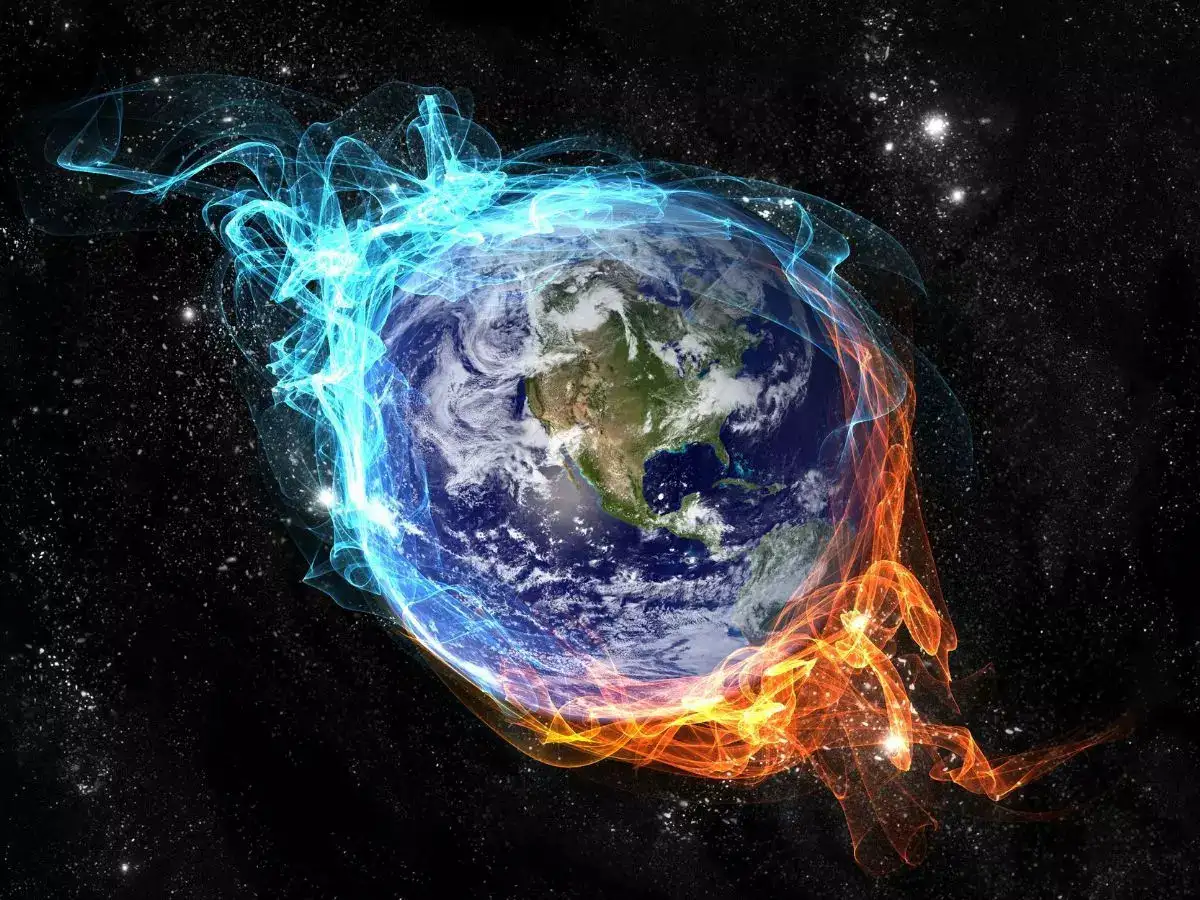
Humanity has always looked to the stars with curiosity. Space exploration represents both hope and uncertainty. Some see it as a continuation of life beyond Earth. Others see it as an escape from unresolved responsibilities.
Exploration itself is not the issue. Intention matters. Expanding beyond Earth without learning from past mistakes risks repeating them on a larger scale.
A farewell to life on earth does not require abandoning exploration. It requires carrying wisdom alongside ambition.
Lessons Written Through Success and Failure
Human history is rich with lessons, though they are often learned slowly. Cooperation enables survival. Conflict drains resources. Innovation solves problems but creates new ones. Balance is fragile.
These lessons form the most valuable part of humanity’s legacy. They remind future societies, human or otherwise, that progress without humility leads to collapse, while reflection creates resilience.
Mistakes do not erase worth. They become meaningful when acknowledged and learned from.
Redefining Farewell as Reflection
The word “farewell” does not have to mean surrender. It can mean awareness. A pause before action. A moment of honesty.
When people speak of a farewell to life on earth, they may be expressing grief for what has already been lost. They may also be expressing hope that recognition can still change direction.
Reflection does not end stories. It deepens them.
What Legacy Truly Means
Legacy is often misunderstood as achievement or status. In truth, legacy is influence. It is how actions ripple forward, shaping conditions for others.
Humanity’s true legacy may not be its tallest buildings or fastest machines, but its capacity for empathy, cooperation, and learning. These qualities determine whether knowledge becomes wisdom.
A farewell to life on earth, if it ever comes, will be judged not by what humans owned, but by how they treated life itself.
Conclusion: A Story Still Being Written
The idea of farewell to life on earth is powerful because it demands responsibility without insisting on finality. Humanity’s story is not finished. The pages ahead remain unwritten.
Reflection today shapes possibility tomorrow. Awareness leads to care. Care leads to change.
Frequently Asked Questions
What does the phrase “farewell to life on earth” really mean?
The phrase is not a prediction of an immediate end. It is a reflective idea that encourages people to think about humanity’s long-term impact, responsibility, and the legacy being created for future generations.
Why are people increasingly reflecting on humanity’s legacy today?
Global challenges such as environmental change, rapid technological growth, and social uncertainty have pushed many to think beyond the present. Reflection arises from awareness, not fear, and signals a desire to act more thoughtfully.
Is this topic meant to be pessimistic or hopeful?
It is intended to be thoughtful and balanced. While it acknowledges serious challenges, it also emphasizes learning, responsibility, and the possibility of positive change through awareness and collective action.
How does human culture fit into humanity’s long-term legacy?
Culture preserves meaning beyond physical structures. Art, stories, values, and shared knowledge often outlast material achievements and provide insight into how humanity understood itself and the world.
What can individuals take away from this reflection?
Individuals can recognize that everyday choices matter. Legacy is shaped not only by global decisions, but also by personal responsibility, empathy, and a willingness to think long-term rather than only for immediate comfort.
You may also read
John Cerasani Net Worth: How Strategy, Risk, and Timing Shaped His Wealth