

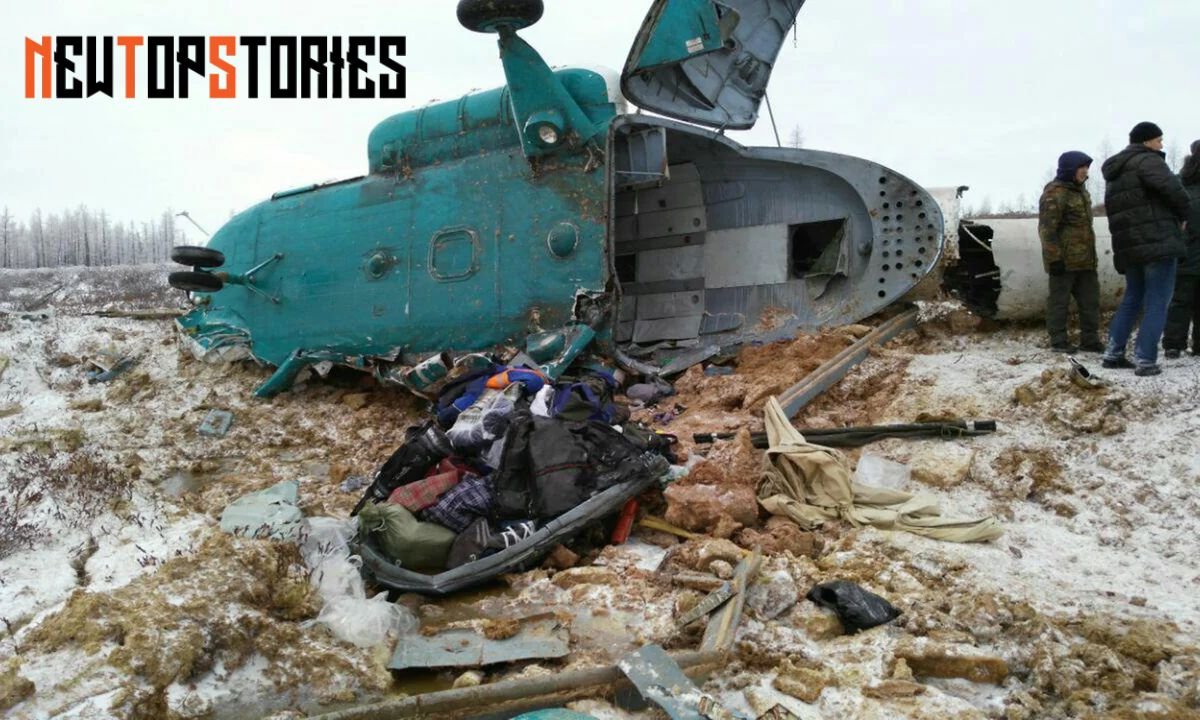
When news breaks that a helicopter crashed, people often feel shock, confusion, and an urgent desire to understand what actually happened. Helicopters are widely used in rescue missions, medical emergencies, military operations, tourism and news reporting — which makes their safety crucial. Whenever a helicopter goes down, the public immediately asks the same question: How could this happen?
- The Shock and Immediate Reactions After a Helicopter Crash
- Understanding How Helicopters Work
- Mechanical Failures That Can Lead to a Crash
- Human Factors and Pilot-Related Causes
- Weather Conditions That Turn Dangerous Fast
- Environmental Challenges and Unexpected Hazards
- What Investigators Look for After a Crash
- Common Patterns Experts Identify in Most Crashes
- How Modern Technology Helps Prevent Crashes
- Lessons Learned and Safety Changes After Every Crash
- Final Thoughts on Understanding Helicopter Crashe
- FAQs
- What is the most common reason a helicopter crashes?
- Are helicopters more dangerous than airplanes?
- Can weather cause a helicopter to crash?
- How do investigators find out why a helicopter crashed?
- Do helicopters have safety technology to prevent crashes?
- You May Also Read
This article explores the human, mechanical, environmental, and investigative factors behind helicopter crashes, relying on expert analysis, aviation research, pilot training insights, and historical accident patterns. The goal is to help readers understand the deeper realities behind such incidents without fear, exaggeration, or speculation.
The Shock and Immediate Reactions After a Helicopter Crash
Whenever a helicopter crashed becomes a headline, the first reaction is emotional. Family members, passengers, crew, and the public feel a wave of uncertainty. Helicopter accidents tend to draw wide attention because they often occur suddenly, with limited warning.
In the first hours after a crash, information is usually unclear. Early reports may contain assumptions or incomplete statements. Aviation experts emphasize that early details rarely tell the full story. That’s because understanding a helicopter accident requires careful investigation, technical knowledge, and time. Yet the human response — worry, sadness, and curiosity — is immediate and natural.
Understanding How Helicopters Work
To understand why a helicopter crashed, it helps to know how these unique aircraft operate. Unlike airplanes, which depend on fixed wings to generate lift, helicopters use rotating blades, known as rotor systems. These blades cut through the air, creating lift that allows the helicopter to hover, climb vertically, land in tight areas, and maneuver with incredible flexibility.
This incredible capability is also what makes helicopters more sensitive to small mechanical or environmental disturbances. Helicopters rely on:
- A main rotor for lift and stability
- A tail rotor for directional control
- Hydraulic systems to manage the controls
- Engines that deliver constant power
- Delicate balance and weight distribution
Because every part works in tight harmony, even a minor failure can turn serious quickly. Experts often say that helicopters “fly on precision,” meaning there is little room for anything to go wrong.
Mechanical Failures That Can Lead to a Crash
One of the most common reasons a helicopter crashed involves mechanical issues. The mechanical complexity of helicopters is immense, and each system must function flawlessly for safe flight.
Engine Problems:
The engine provides the power that keeps the rotor blades turning. If an engine loses power, even briefly, the helicopter can lose lift. Although pilots are trained to perform emergency auto-rotation, the success of this maneuver depends heavily on altitude, reaction time, and surroundings.
Rotor Malfunctions:
The main rotor and tail rotor are the heart of the helicopter. If either rotor experiences damage, imbalance, or loss of control, the helicopter can become uncontrollable in seconds.
Hydraulic Failures:
Hydraulics help pilots operate the controls with precision. Without hydraulic support, controlling the helicopter becomes extremely difficult, especially under stress or turbulence.
Wear and Tear:
Helicopters undergo heavy use in medical transport, military operations, and rescue missions. Even small issues — such as cracks, loose components, or fatigued metal — can create dangerous conditions if not caught in maintenance checks.
Experts stress that thorough, consistent maintenance is one of the strongest defenses against mechanical-related crashes.
Human Factors and Pilot-Related Causes
A significant portion of helicopter accidents worldwide involve human factors. Even the most skilled pilots face conditions where split-second decisions matter.
Fatigue and Stress:
Pilots in high-pressure roles — like medical evacuation or search-and-rescue — sometimes fly long hours, often in unpredictable conditions. Fatigue can reduce reaction time and decision-making clarity.
Misjudgment:
A pilot may miscalculate altitude, weather conditions, terrain, or fuel requirements. In a helicopter, where everything relies on balance and precision, a single misjudgment can escalate quickly.
High-Stress Missions:
Unlike commercial airplane pilots who follow structured routes, helicopter pilots often fly close to mountains, buildings, forests, or crowded areas. They may also hover at low altitudes or land in tight spaces, increasing the margin for error.
Experience Levels:
Even experienced pilots encounter situations where conditions change too rapidly. Training prepares them for emergencies, but real-world challenges are sometimes overwhelming.
Human factors are not about blame; they are about understanding how pressure, fatigue, or fast-changing environments contribute to accidents.

Weather Conditions That Turn Dangerous Fast
Weather plays a huge role in why a helicopter crashed in many cases. Helicopters are more vulnerable to sudden changes in weather than airplanes.
Low Visibility:
Fog, heavy rain, or clouds can reduce visibility so dramatically that pilots lose awareness of the horizon or nearby obstacles.
Strong Winds:
Sudden gusts of wind can push a helicopter off balance. Unlike airplanes that maintain stability through forward motion, helicopters must constantly adjust to remain stable.
Rapid Weather Shifts:
Helicopters often operate at lower altitudes, where weather changes quickly. A clear sky can turn dangerous in minutes over mountains, forests, or water.
When weather worsens unexpectedly, pilots may have limited time to respond, especially if flying low or navigating complex terrain.
Environmental Challenges and Unexpected Hazards
Helicopters frequently fly in areas that airplanes do not — and this exposes them to risks unique to their operating environment.
Mountains and Hills:
Thin air, unpredictable winds, and narrow flight paths make mountain flying uniquely challenging.
Power Lines and Towers:
Power lines can be nearly invisible from the air, especially in dim light or complex landscapes.
Bird Strikes:
A large bird colliding with a rotor or windshield can cause significant damage.
Dense Urban Areas:
Flying near tall buildings, antennas, and tight alleyways leaves little space for error.
Environmental hazards are part of helicopter work, but they remain a significant factor in many crash investigations.
What Investigators Look for After a Crash
When a helicopter crashed, investigators begin a detailed process to uncover what actually happened. Each piece of evidence contributes to understanding the event.
Flight Records and Cockpit Data:
Modern helicopters often have recording devices that reveal altitude, speed, and pilot actions before the crash.
Pilot Communication Logs:
Air traffic control recordings provide insight into what the pilot saw, feared, or reported.
Debris Patterns:
The location and spread of debris help determine the helicopter’s position and motion during impact.
Maintenance History:
Investigators carefully review maintenance logs to see if any mechanical problems were noted — or missed — prior to the flight.
Crash investigations can take months because each conclusion must be supported by evidence, not assumptions.
Common Patterns Experts Identify in Most Crashes
Aviation experts often find that helicopter crashes rarely stem from a single cause. Instead, they arise from a chain of events.
A small mechanical issue, combined with poor visibility, pilot fatigue, or environmental obstacles, can turn into a fatal situation. This is known as the “accident chain” — a sequence of minor problems that align at the wrong moment.
Understanding these patterns helps prevent future accidents by identifying weak points in training, maintenance or procedures.
How Modern Technology Helps Prevent Crashes
Advances in aviation technology have significantly reduced the risk of helicopter accidents.
Modern helicopters now include:
- Terrain warning systems
- Real-time weather tracking
- Advanced autopilot assistance
- Digital cockpit displays
- Emergency warning sensors
Pilot training has also improved, using high-fidelity simulators that recreate difficult environments, allowing pilots to practice emergency responses safely.
Technology cannot eliminate all risks, but it greatly reduces the chances that a helicopter crashed due to avoidable issues.
Lessons Learned and Safety Changes After Every Crash
Every helicopter accident leads to new safety recommendations. Manufacturers may update designs, operators may improve maintenance schedules, and pilots may undergo additional training.
In many cases, the lessons from one crash ultimately prevent future accidents. This process — learning, updating and improving — is at the heart of aviation safety.
Final Thoughts on Understanding Helicopter Crashe
When a helicopter crashed, the reasons are usually complex, involving mechanical systems, human judgment, weather, environment or a combination of these factors. Understanding these elements brings clarity and reduces fear or speculation.
Helicopters are incredibly capable machines, but they demand precise operation and constant attention to safety. By learning from past incidents, experts continue to make helicopter travel safer and more reliable for everyone.
FAQs
What is the most common reason a helicopter crashes?
Most helicopter accidents happen because of a combination of causes rather than one single issue. Mechanical problems, weather changes, and human factors often come together at the wrong moment.
Are helicopters more dangerous than airplanes?
Helicopters face different risks because they fly closer to the ground and operate in tighter spaces. They aren’t necessarily less safe, but they require more precise control and are more sensitive to sudden changes.
Can weather cause a helicopter to crash?
Yes. Conditions like heavy fog, strong winds, or sudden storms can make flying unsafe. Helicopters are especially vulnerable to poor visibility and powerful gusts.
How do investigators find out why a helicopter crashed?
They examine flight records, communication logs, maintenance history, and debris patterns. Each detail helps reveal what happened in the final moments of the flight.
Do helicopters have safety technology to prevent crashes?
Modern helicopters include advanced tools like terrain alerts, weather tracking, and enhanced cockpit systems. These technologies help pilots avoid danger and reduce accident risks.
You May Also Read
Can You Eat Goldfish? The Surprising Truth Behind the Question