

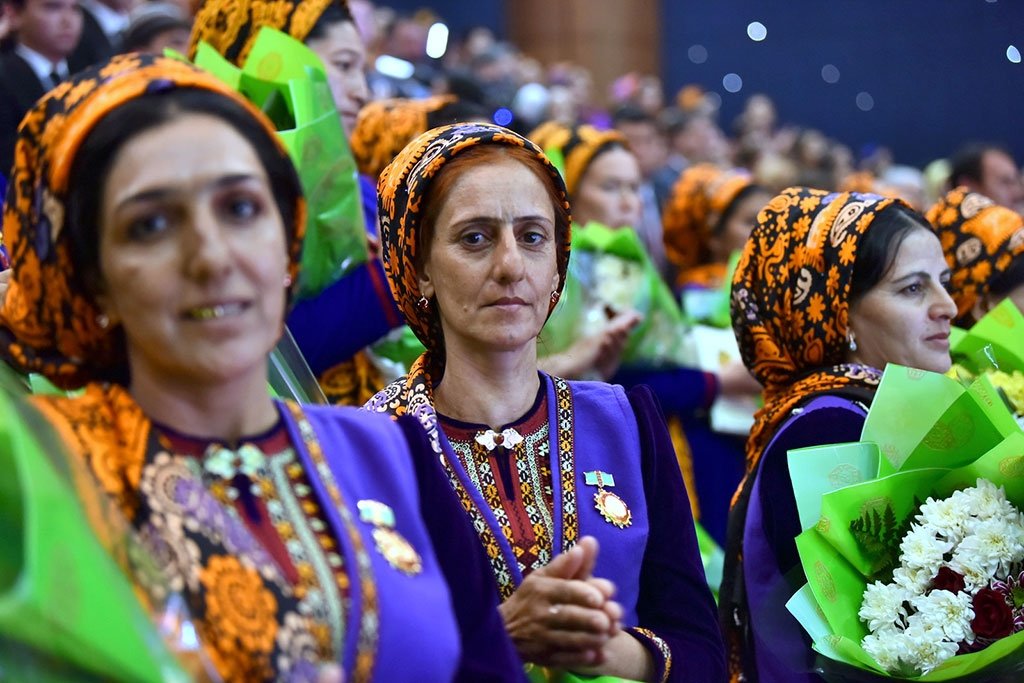
When we talk about Turkmenistan people, we are exploring one of Central Asia’s most fascinating and resilient cultures. Rooted in nomadic traditions, shaped by Silk Road exchanges, and influenced by both Soviet history and modern statehood, the people of Turkmenistan carry a unique identity that blends ancient heritage with contemporary life.
- Who Are the Turkmenistan People?
- Historical Roots of Turkmenistan People
- Language, Ethnicity, and Identity
- Culture and Traditions of Turkmenistan People
- Family Structure and Social Life
- Religion and Spiritual Values
- Modern Life in Turkmenistan
- Turkmenistan People in Global Context
- Challenges and Opportunities
- Conclusion: The Enduring Spirit of Turkmenistan People
- you may also read
In this in-depth guide, you’ll discover who the Turkmenistan people are, their cultural values, social structures, traditions, language, and how modern influences shape daily life today. Whether you’re researching Central Asia, planning travel, or simply curious about world cultures, this comprehensive article will give you a clear and engaging understandi
Who Are the Turkmenistan People?
The Turkmenistan people are primarily ethnic Turkmens, a Turkic ethnic group native to Central Asia. Turkmenistan, officially known as Turkmenistan, lies between the Caspian Sea and the vast Karakum Desert, bordering countries such as Iran, Afghanistan, Uzbekistan, and Kazakhstan.
The population is just over six million, and the majority identify strongly with tribal heritage. Historically, Turkmen tribes such as Teke, Yomut, Ersari, and Saryk shaped the social and political structure of the region.
Understanding Turkmenistan people means understanding tribal loyalty, hospitality, and a strong sense of national pride that remains visible in everything from traditional clothing to public monuments.
Historical Roots of Turkmenistan People
The history of Turkmenistan people stretches back thousands of years. Ancient civilizations flourished in this region long before modern borders existed.
Silk Road Legacy
The land that is now Turkmenistan was a crucial part of the Silk Road. Trade routes connected China to Europe, and Turkmenistan became a crossroads of commerce and culture. Cities like Merv were once among the largest and most important cities in the Islamic world.
Merchants, scholars, and travelers passed through, leaving behind a rich blend of cultural influences that still echo in architecture and traditions.



Nomadic Heritage
The Turkmenistan people were traditionally nomadic pastoralists. They moved across the desert with livestock, living in portable felt tents called yurts.
Horses were central to their identity, especially the Akhal-Teke breed—known for its speed and endurance. This deep equestrian culture explains why horse symbolism is so prominent in Turkmen national identity today.
Even in modern times, the legacy of nomadic life shapes social values: independence, adaptability, and strong clan ties.
Language, Ethnicity, and Identity
The primary language spoken by Turkmenistan people is Turkmen, a Turkic language closely related to Turkish and Azerbaijani.
Ethnic Composition
Although ethnic Turkmens make up the majority, minorities include:
- Uzbeks
- Russians
- Kazakhs
- Armenians
The capital city, Ashgabat, reflects this diversity while still showcasing strong national symbolism in its architecture and public spaces.
National Identity
Since independence from the Soviet Union in 1991, Turkmenistan has emphasized national pride. Cultural revival initiatives have reinforced traditional music, clothing, and folklore.
For Turkmenistan people, identity is closely tied to heritage, tribe, and respect for ancestors.
Culture and Traditions of Turkmenistan People
To truly understand Turkmenistan people, you must look at their cultural practices.
Traditional Clothing
Men often wear telpek hats made of sheepskin, while women wear long embroidered dresses in bright colors. Patterns are not random; they often represent tribal lineage.
Carpet weaving is especially important. Turkmen carpets are famous worldwide for their intricate geometric designs. These patterns are so significant that they appear on the national flag.
Hospitality
Hospitality is sacred among Turkmenistan people. Guests are treated with immense respect. Bread and tea are typically offered immediately, symbolizing warmth and welcome.
Turning down hospitality can be considered rude, which reflects how deeply social bonds matter in Turkmen culture.
Music and Celebrations
Traditional instruments include the dutar (a two-stringed lute) and the gyjak (a bowed string instrument). Weddings are large community events with music, dancing, and elaborate rituals.
National holidays celebrate independence, neutrality, and cultural pride, reinforcing unity among Turkmenistan people.
Family Structure and Social Life
Family plays a central role in the lives of Turkmenistan people.
Extended Families
Multiple generations often live together or maintain close contact. Elders are deeply respected and frequently consulted in important decisions.
Marriage is considered a major life milestone. In rural areas especially, traditional customs still guide matchmaking and wedding ceremonies.
Gender Roles
While modernization has influenced gender roles, traditional expectations remain significant in many communities. Women often balance professional careers with strong responsibilities in household and family life.
Education levels have improved significantly since Soviet times, and literacy rates are high among Turkmenistan people.
Religion and Spiritual Values
Most Turkmenistan people are Sunni Muslims, though the practice of religion tends to be moderate and culturally influenced rather than strictly doctrinal.
Islam entered the region in the 7th century and blended with pre-Islamic traditions. As a result, certain rituals and celebrations carry both religious and cultural meaning.
Mosques are present in cities and villages alike, but religion generally coexists with strong national identity rather than dominating political life.
Modern Life in Turkmenistan
Modern life for Turkmenistan people is shaped by rapid urban development, state-led infrastructure projects, and strong national branding.
Ashgabat is known for its white marble buildings and grand monuments. The government has invested heavily in showcasing modernization while maintaining traditional aesthetics.
Education and Employment
Education is free and compulsory through secondary school. Many students pursue higher education in technical and engineering fields.
Employment often revolves around:
- Energy sector (natural gas is a major export)
- Agriculture
- Government services
- Construction
Rural communities still rely heavily on farming and livestock.
Urban vs Rural Life
Urban Turkmenistan people experience more modernization, internet access, and exposure to global trends. Rural areas maintain stronger adherence to traditional customs.
Turkmenistan People in Global Context
The global perception of Turkmenistan people is often limited due to the country’s relatively closed media environment.
However, Turkmen diaspora communities exist in neighboring countries and beyond. Their cultural exports—particularly carpets and horses—have international recognition.
For example, equestrian enthusiasts worldwide admire the Akhal-Teke breed. While unrelated to Turkmenistan, terms like jockey, jockey freundin, or even references to places like wermelskirchen in Germany sometimes appear in international equestrian discussions online, highlighting how horse culture connects people globally.
Still, the equestrian tradition of Turkmenistan people is uniquely rooted in centuries of desert survival and tribal pride.
Challenges and Opportunities
Like many nations balancing tradition and modernization, Turkmenistan people face certain challenges:
- Economic diversification beyond natural gas
- Youth employment opportunities
- Increased global engagement
At the same time, there are strong opportunities in tourism, cultural preservation, and international cooperation.
The country’s archaeological sites, desert landscapes, and unique culture offer immense potential for responsible tourism development.
Conclusion: The Enduring Spirit of Turkmenistan People
The story of Turkmenistan people is one of endurance, pride, and deep cultural continuity. From ancient Silk Road cities to modern marble-clad capitals, from nomadic yurts to urban apartments, their identity remains anchored in heritage and hospitality.
Understanding Turkmenistan people means recognizing the strength of tribal roots, the importance of family, the symbolism of carpets and horses, and the balance between tradition and modern statehood.
As global curiosity about Central Asia grows, the culture and history of Turkmenistan people deserve thoughtful exploration and respect