

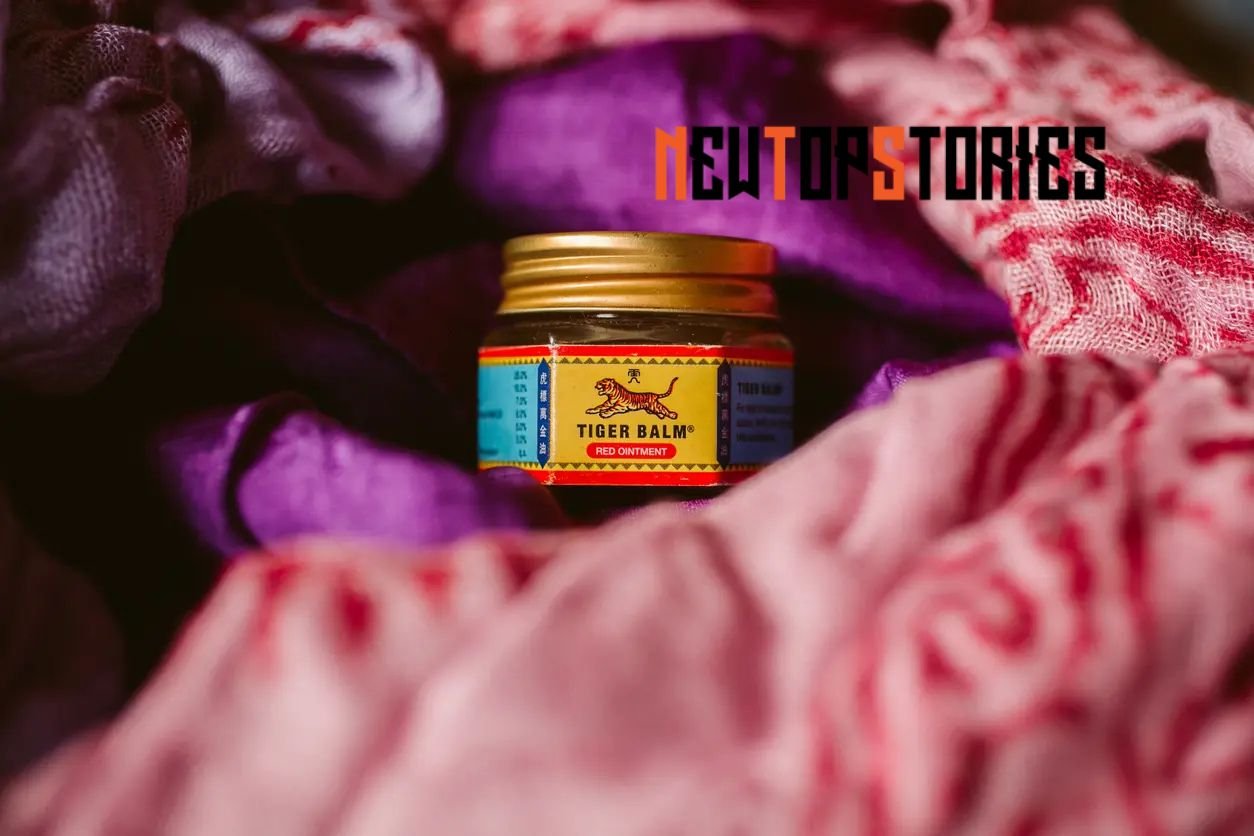
Tiger Balm is one of the most widely recognized topical remedies in the world. For decades, people have relied on it for easing muscle pain, joint stiffness, headaches, and everyday body aches. Yet many readers still ask a surprising question: Why is Tiger Balm illegal in some countries? The answer is not as dramatic as it sounds. Tiger Balm is not broadly banned, but in certain regions, it faces restrictions rooted in regulation, safety standards, and ingredient limits rather than outright danger.
- What Is Tiger Balm and Why It Is Known Worldwide
- The Ingredients That Give Tiger Balm Its Effect
- Why Is Tiger Balm Illegal in Some Countries
- Camphor Levels and Legal Restrictions
- Concerns About Accidental Ingestion
- Medicine or Cosmetic: A Classification Issue
- Countries Where Tiger Balm Faces Restrictions
- Why Tiger Balm Remains Legal in Many Regions
- Has Tiger Balm Been Reformulated Over Time
- Common Myths About Tiger Balm Being Banned
- Is Tiger Balm Safe When Used Properly
- Alternatives in Restricted Countries
- What Travelers and Buyers Should Know
- Final Thoughts on Why Is Tiger Balm Illegal
- Frequently Asked Questions
- You may also read
This article takes a calm, factual, and well-researched look at why Tiger Balm is restricted in some places, how laws differ across countries, and what consumers should really understand about its legal status.
What Is Tiger Balm and Why It Is Known Worldwide
Tiger Balm is a topical ointment originally created in the late 1800s. It became popular across Asia long before spreading to Europe, North America, and other parts of the world. Unlike prescription pain relievers, it works externally, producing a warming or cooling sensation that helps relieve discomfort in muscles and joints.
What makes Tiger Balm unique is its reliance on traditional ingredients rather than synthetic chemicals. This natural foundation is one reason it gained global trust. Over time, however, modern health regulations began applying stricter rules to products that interact with the skin and nervous system, which plays a key role in today’s legal debates.
The Ingredients That Give Tiger Balm Its Effect
The effectiveness of Tiger Balm comes from a small group of active ingredients that stimulate the skin and underlying nerves. These include camphor, menthol, and essential oils such as clove and cajuput oil. Together, they create the familiar cooling-then-warming sensation users associate with pain relief.
While these ingredients are widely used, they are also carefully monitored by health authorities. Their strength and concentration matter greatly, especially in products that are easily accessible without a prescription. This is where regulatory concerns begin.
Why Is Tiger Balm Illegal in Some Countries
The phrase Why is Tiger Balm illegal can be misleading. In most cases, Tiger Balm itself is not banned. Instead, certain versions of the product do not meet local regulations. Governments do not regulate based on tradition or popularity. They regulate based on ingredient safety, dosage limits, labeling accuracy, and consumer protection laws.
In some countries, Tiger Balm formulations exceeded permitted ingredient thresholds. In others, the product was classified incorrectly as a cosmetic instead of a medicinal ointment, triggering legal restrictions. These distinctions often cause confusion among consumers.
Camphor Levels and Legal Restrictions
One of the most significant regulatory concerns surrounding Tiger Balm is camphor. Camphor is effective when used correctly, but it can be harmful if ingested or applied excessively, particularly in children. Because of this, many countries set strict limits on how much camphor a topical product may contain.
Some traditional Tiger Balm formulas contained higher concentrations than allowed under modern safety laws. As a result, those specific versions could not be sold legally unless reformulated. This is one of the main reasons Tiger Balm is restricted in certain markets, not because it is unsafe, but because it exceeds permitted levels.
Concerns About Accidental Ingestion
Health authorities also consider how easily a product could be misused. Tiger Balm has a strong scent and texture that might attract children if not stored properly. Ingesting camphor-based products can lead to serious health effects, which prompted regulators to apply tighter controls.
These concerns do not mean the product is dangerous when used as intended. Instead, they reflect a precautionary approach aimed at preventing accidental misuse.
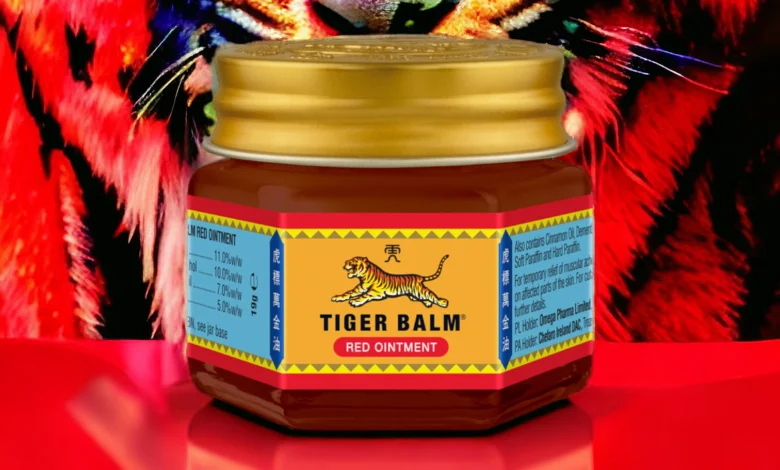
Medicine or Cosmetic: A Classification Issue
Another reason behind the question Why is Tiger Balm illegal lies in product classification. Different countries define medicines and cosmetics in different ways. Some classify topical pain relief products as medicinal, requiring registration, testing, and approval. Others treat them as cosmetic or wellness products with lighter oversight.
If Tiger Balm enters a market without being registered under the correct category, it may be restricted or temporarily removed, even if its ingredients are otherwise acceptable.
Countries Where Tiger Balm Faces Restrictions
In some Western countries, Tiger Balm is legal only when it meets strict guidelines for camphor content and labeling. Products imported without meeting these rules may be blocked at customs or removed from shelves.
In contrast, many Asian countries allow broader use due to historical familiarity and different regulatory standards. This uneven treatment across regions contributes to confusion and online claims that Tiger Balm is banned, when in reality it is regulated differently.
Why Tiger Balm Remains Legal in Many Regions
Tiger Balm continues to be sold legally in much of the world because manufacturers have adapted their formulas. Lower camphor versions and updated labels help ensure compliance with international safety rules.
Additionally, cultural acceptance plays a role. In regions where Tiger Balm has been used safely for generations, regulators often focus on proper labeling rather than outright prohibition.
Has Tiger Balm Been Reformulated Over Time
Yes, Tiger Balm has been reformulated for different markets. Some versions contain lower concentrations of active ingredients, while others include updated warning labels and usage instructions. These changes help align the product with modern health laws while preserving its effectiveness.
This adaptability explains why Tiger Balm may be legal in one country but unavailable in another under the same name.
Common Myths About Tiger Balm Being Banned
Many misconceptions surround Tiger Balm’s legal status. One common myth is that it contains animal products related to its name. This is false. Another is that it is banned globally due to safety risks. In reality, restrictions are usually technical, not moral or medical condemnations.
The question Why is Tiger Balm illegal often spreads because of partial information shared online without context.
Is Tiger Balm Safe When Used Properly
When used as directed, Tiger Balm is generally safe for healthy adults. It should not be applied to broken skin, used excessively, or applied near sensitive areas such as the eyes or mouth. Children and pregnant individuals should consult a healthcare professional before use.
Safety concerns arise mainly from misuse, not from normal topical application.
Alternatives in Restricted Countries
In countries where Tiger Balm formulations are limited, similar topical pain relief products are often available. These alternatives follow the same basic principles but meet local ingredient standards.
The availability of substitutes further demonstrates that restrictions are regulatory rather than a response to danger
What Travelers and Buyers Should Know
Travelers carrying Tiger Balm should check local regulations before entering another country. Some customs authorities restrict high-strength versions. Purchasing from licensed retailers ensures that the product meets safety and labeling requirements.
Being informed helps avoid unnecessary issues.
Final Thoughts on Why Is Tiger Balm Illegal
So, why is Tiger Balm illegal in some countries? The answer lies in regulation, not risk. Ingredient limits, safety standards, labeling rules, and classification differences all shape how the product is treated across borders.
Tiger Balm is not banned because it is harmful. It is restricted in certain forms to align with modern health regulations. Understanding this distinction clears up much of the confusion and allows consumers to make informed, responsible choices.
Frequently Asked Questions
Why is Tiger Balm illegal in some countries but legal in others?
Tiger Balm is not banned everywhere. Some countries restrict certain versions because of ingredient limits, especially camphor. Other countries allow it because the formulation meets their local safety standards.
Does Tiger Balm contain dangerous ingredients?
Tiger Balm contains ingredients like camphor and menthol, which are safe when used correctly. Problems arise only if the product is misused, overapplied, or ingested, which is why regulators set strict limits.
Is Tiger Balm completely banned in the United States or Europe?
No. Tiger Balm is legal in both regions when it complies with ingredient concentration and labeling rules. Older or imported versions that do not meet these standards may be restricted.
Can I bring Tiger Balm with me when traveling abroad?
This depends on the country and the strength of the product. Some customs authorities restrict high-concentration formulations, so it is best to check local regulations before traveling.
Is Tiger Balm safe to use for everyday muscle pain?
For most adults, Tiger Balm is safe when applied as directed. It should not be used on broken skin or near sensitive areas, and it should be kept out of reach of children.